



Changing What’s Possible: The Disability Innovation Podcast | Season Three
The separate parts of our body are connected, and problems in one area can affect other aspects of our physical and mental health. Researchers are working to better understand the relationships between different symptoms of cerebral palsy (CP) and the impacts these symptoms can have on the everyday lives of people with CP. In this Research Roundup, Dr. Marie McNeely discusses three new research papers that examined relationships between posture and other aspects of CP like pain, balance, and quality of life. These studies investigated postural asymmetry, spine and pelvis alignment, and rib-on-pelvis deformity in people with CP, and their results provide valuable data to inform treatment approaches and future research. CPARF’s Vice President of Education, Jocelyn Cohen, also discusses why results from these new studies matter for people with CP.
The studies featured in this episode weren’t funded by CPARF, but they represent other interesting, innovative work that scientists are doing in the CP research space.
Links to the abstracts of the studies featured in this episode:
https://pubmed.ncbi.nlm.nih.gov/38608553/
https://pubmed.ncbi.nlm.nih.gov/38632183/
https://pubmed.ncbi.nlm.nih.gov/39325331/
View the transcript for Episode Twenty.
Listen and subscribe to learn more about how you or someone you care about can benefit from today’s latest advances in disability tech.



Thanks for listening! We’d love to know what you think of Changing What’s Possible. Please leave us a review on your favorite podcast platform, share your favorite episode with your friends, and help spread the word on social media.
Follow us: Instagram | Facebook | LinkedIn
Check out previous episodes. New episodes are released every Friday.
Thu 24 Sep 2026

Meet the Athletes for Accessibility team taking on the 2026 TCS NYC Marathon.
Fri 31 Jul 2026
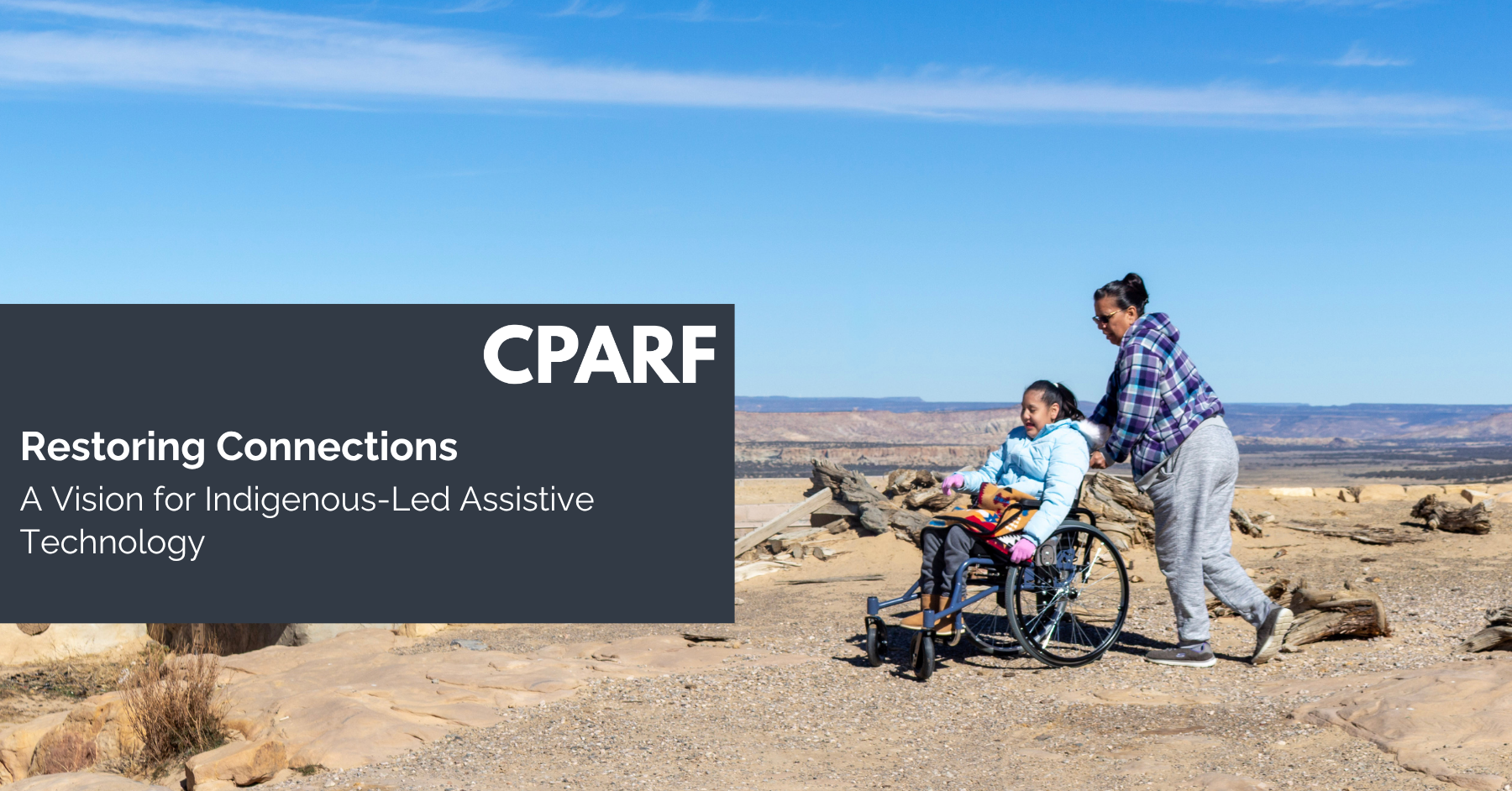
Assistive technology is the promise of what’s possible when disabled people have the tools they need to participate in family life, cultural life, and community life on their own terms.