

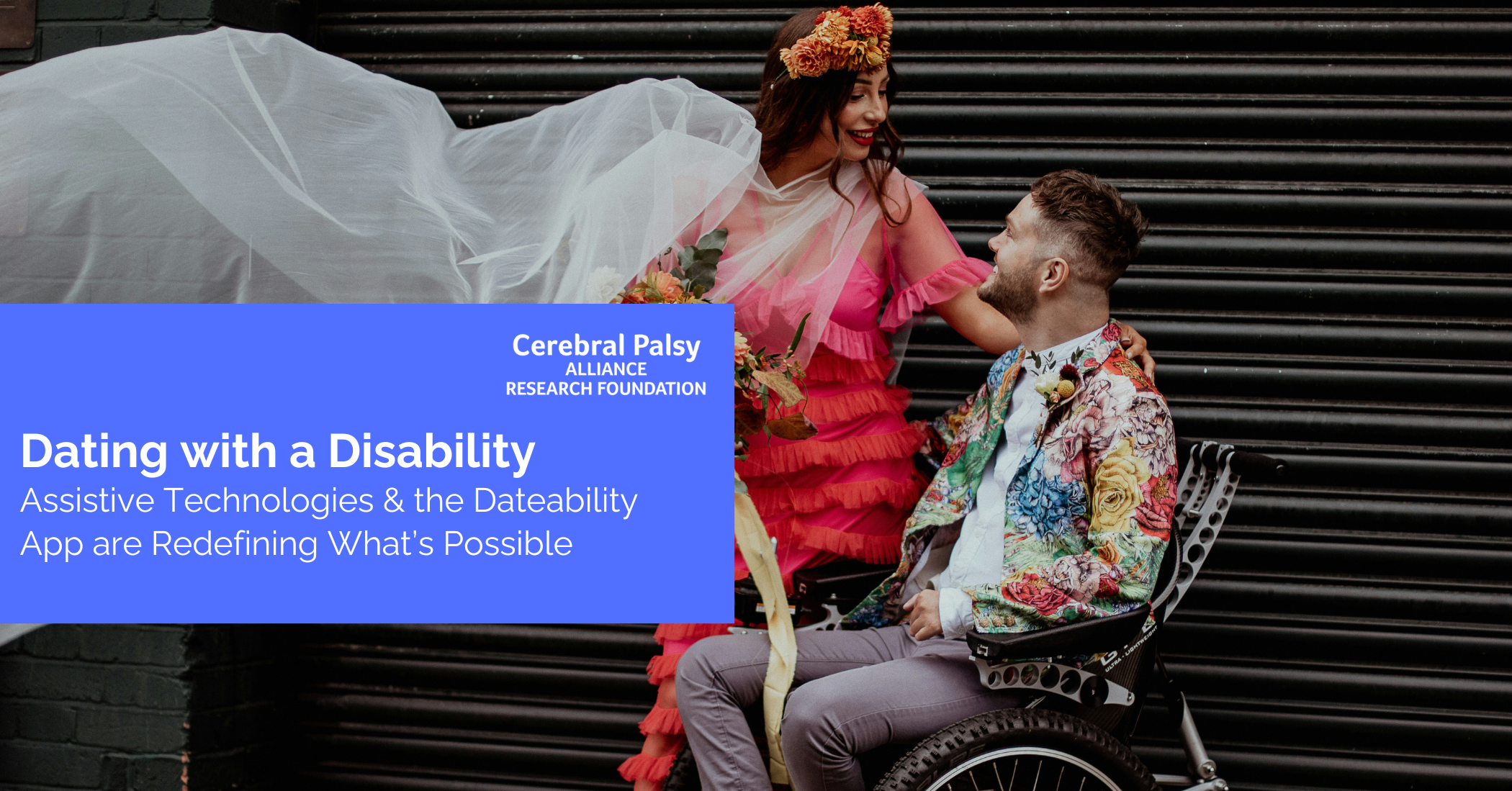
There is an electric kind of magic in getting ready for a date — the curated playlist in the background, the careful selection of an outfit that feels like you, and that confident feeling before heading out the door. It’s an act of self-love and anticipation that sets the tone for the entire evening. Whether it’s a first meeting or a long-awaited night out with your partner, that time spent preparing is a vital part of the dating experience. Everyone deserves to feel that magic.
True inclusion means that everyone in our community can participate in the joy of getting ready with confidence and ease. Springrose, one of CPARF’s technology accelerator startups, is reclaiming that magic through their beautiful, adaptive bras. Featuring intuitive front closures with Velcro or magnets, Springrose transformed a once-frustrating hurdle into a seamless, empowering part of the routine. This same sense of agency is found in tools like easy-to-grip grooming kits and shoes you can step into without using your hands. By using items like magnetic-button dress shirts and smooth zippers, men and women can clear away the barriers to getting ready and shift their focus back to where it belongs: the joy of human connection.
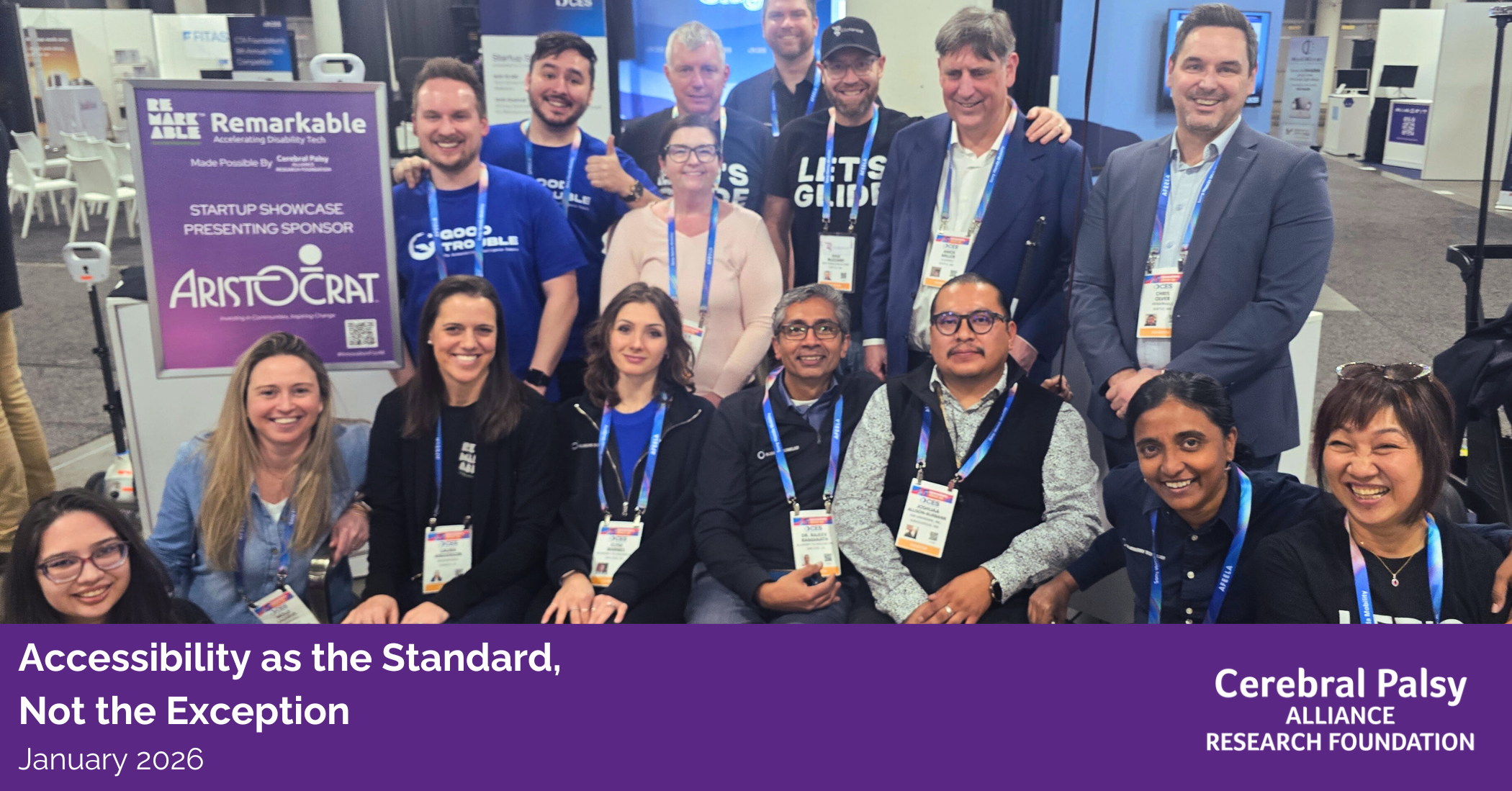
This transformation isn’t happening by accident. At CPARF, we’re right at the heart of this change. Through our assistive technology accelerator, Remarkable US, we are identifying and scaling the next generation of inclusive design. We aren’t just funding products; we are creating a future where inclusion is the standard and accessibility is woven into the fabric of daily life. When we innovate, we do more than solve design problems; we open the door for people to live with deeper confidence and the freedom to pursue connections that matter most.
Once the look and outfit are perfected, the question remains: Where do you find a space that values your journey as much as your style? As Valentine’s Day approaches, we’re looking at what happens after the getting ready ritual ends. To dive into the world of dating with a disability, we sat down with the team behind Dateability — an app revolutionizing how the disability community finds love — to discuss how they are making the dating experience as accessible and joyful as the anticipation of the date.
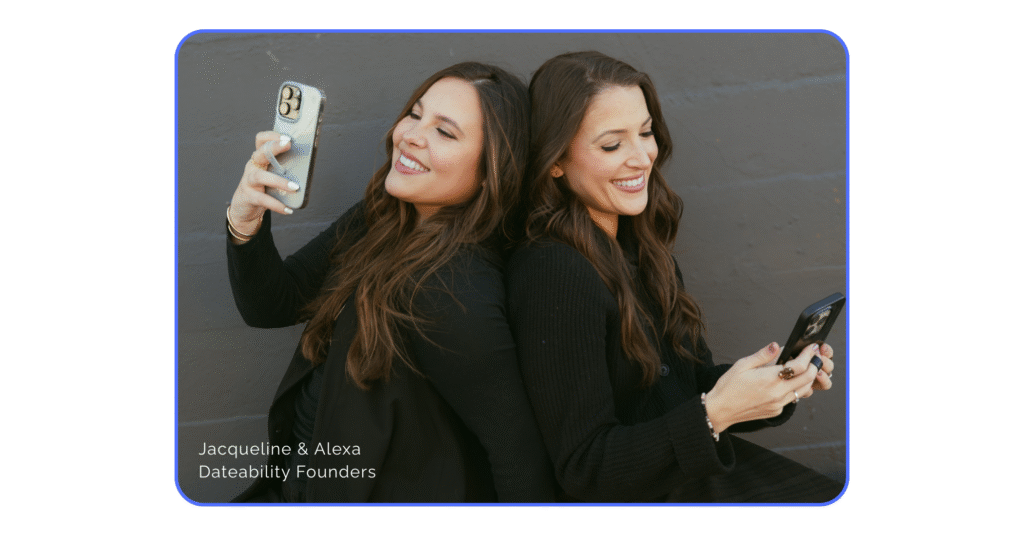
In Conversation with Dateability
Q: What was the specific “lightbulb moment” that convinced you the community needed its own dedicated space?
A: Jacqueline had been looking for a dating app where she could meet people like her for years, but there was never a legitimate platform out there. Then in 2021, she had to get a feeding tube due to gastroparesis and this caused a lot of anxiety for her. Dating was already riddled with ableism and discrimination– was a feeding tube going to add to this issue? Alexa, who is not disabled but a natural problem solver, wanted her sister (and the world’s largest minority) to have a positive dating experience.
Q: Since Valentine’s Day is right around the corner, do you have a favorite success story from a couple who met on the app that still makes you smile?
A: The success on Dateability is proof that an app like this was needed in the community. Despite having a smaller user base, Dateability has produced many love stories. One couple is actually set to marry this month! While both disabled, the couple has different diagnoses (the groom has CP while the bride has connective tissue and comorbid diseases). They have created a beautiful life together built on a foundation of inclusion and acceptance.
Q: One of the hardest parts of dating with a disability is often the “disclosure” conversation. How does Dateability help users navigate that with confidence rather than apprehension?
A: Disclosure was always so anxiety-inducing for Jacqueline. She didn’t know when and how to do it, but she wanted to be open and honest with her dates (and herself). When building Dateability, we created the Dateability Deets section, where users can make selections from a broad list of terms, such as ‘mobility impairment’ or ‘immunocompromised.’ We didn’t want profiles to read as a medical chart, so keeping the terms vague was important. This section is optional, but it can lead to some great conversation and ice breakers.
Q: If you could change one thing about the way society views romance and disability, what would it be?
A: Disability and intimacy can be such a taboo topic, especially for non-disabled people. Dateability aims to bring attention to this conversation by normalizing disability. There is so much infantilization when it comes to the disabled community, which leads to people thinking disabled people do not and should not have romantic desires. Dateability hopes to shift this mindset by normalizing disability and making it known that people are interested in all types of connection, whether that be casual hookups, open relationships, or monogamy.
Q: How do you balance the need to run a successful business with the deep social mission of advocating for the disability community?
A: Dateability’s mission is rooted in accessibility, equity, and inclusion and the business and advocacy aspects are naturally woven together. While Dateability is not a non-profit or a charity, access and advocacy will always be at the core of the business. To ensure everyone has access to the platform, Dateability offers a robust free version. Additionally, it is important that Dateability contributes to the representation of disabled entrepreneurs. We want society to know that disabled people and disabled-focused businesses can be successful. All that to say, a disability-owned business in itself is a great form of advocacy.
Q: What are some features of your app that make it more accessible for users with physical or cognitive disabilities?
A: Dateability has various accessibility features, such as image descriptions, appropriate color contrast, and a simple UI to ensure that the platform can be used by people with all types of accessibility needs. We worked to integrate accessibility into every layer of the app, from enhanced screen-reader support to a cleaner, more user-friendly interface that reduces friction and cognitive load. With Dateability 2.0, which launched in the fall of 2025, we are building on that foundation, continuing to listen to the community and refine the experience so people can focus on connection, not workarounds.
Q: Safety is a major concern in online dating. What specific measures have you implemented to ensure your platform remains a safe, respectful space for the disability community?
A: Dateability has various safety measures to keep users comfortable and safe. Dateability has moderation tools to ensure users are following the Acceptable Use Policy. Users can also verify their profile to reduce catfishing. Further, every profile has block and report buttons so users can alert Dateability to any profiles that are suspicious or are violating the terms of service. Dateability has resources and safety tips linked in the app to educate people on ways to keep themselves safe online and in-person.
“Valentine’s Day” Rapid Fire:
Q: What is your idea of the perfect first date?
A: We believe first dates should be low pressure, like meeting for a cup of coffee or a drink. That’s not to say it has to be boring or low effort! Find out what interests your date has and go from there. Are they obsessed with Boba? Take them to the new Boba place in town! Are they sober? Check out that bar that has a robust mocktail menu! The most important thing about a first date is that it is accessible. Being asked about accessibility needs before a first date is a sign that someone is committed and considerate.
Q: What is the #1 piece of advice you’d give to a single person with a disability who is looking to dive into the dating scene?
A: Internalized ableism is real. You may feel like you’re a burden, or that you’re unable to maintain a “normal” relationship. You will have to fight those thoughts and really dive deep into what makes you a great partner. On the flip side, some disabled people may scoff at the idea of dating another disabled person. Some think that it isn’t practical, or that you are “settling.” It is not abnormal to want to date someone who has similar life experiences as you. Actually, it can lead to a really meaningful relationship. Remember, disability is SO diverse, even among the same diagnoses.
Just because you are both disabled does not mean you are compatible. Dating takes time, so be patient and know what you are looking for.
Q: Describe your app’s community in three words.
A: inclusive, diverse, committed.
————————————————————————————————————————————————————–
How You Can Help
Make a gift that changes lives now and long into the future. Your donation supports the development and distribution of assistive technology for the most vulnerable among us.
Your gift ensures that those who are most often overlooked receive the assistive tools and transformational research that improves their quality of life and wellbeing. Together, let’s bridge the gap between potential and opportunity.
Will you join us as we build a future that includes everyone?
Fri 23 Jan 2026
An update on one of our most important initiatives: expanding access to life-changing assistive technology for Native Americans with disabilities.
Fri 05 Dec 2025
An update on one of our most important initiatives: expanding access to life-changing assistive technology for Native Americans with disabilities.