



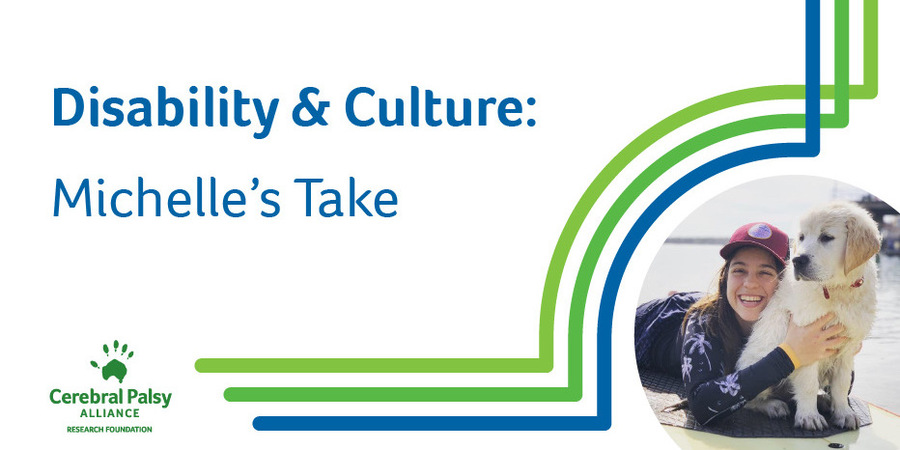
DISABILITY & CULTURE: Michelle's Take, Part II
By Michelle Eastman*
How does disability theology serve the disability community?
The goal of disability theology is to create more conversations about God that do not work to erase disability through prayer or heaven but instead, the goal is to create a kind of God-talk that is committed to celebrating people with disabilities just as they are. Because whether you are religious or not, most people with disabilities have experienced negative interactions with religious communities, and my hope is to change that altogether.
 What are the biggest issues that the disability community faces when it comes to religion/theology?
One of the biggest issues that the disability community faces in connection to religion and theology is Christians trying to speak for the disabled community rather than listening to us, whether that means praying for someone without permission or whether someone is trying to give a religious explanation for why someone is disabled. To assume a person with disabilities wants to be healed is to assume that joy is limited to the way one moves in the world. Therefore, I believe that Christianity being dominated able-bodied theology is one of the largest issues we face today.
The other issue is many churches lack of physical access into the building. Because the church is considered a private institution, it is exempt from the Americans With Disabilities Act. This means that churches are not required to be accessible, which means many religious spaces are not inclusive of people with disabilities. This is a major problem.
What do you hope others take away from your Instagram account, @disabilitytheology?
Regardless of your religious affiliation, I hope that people find this to be a space of disability pride and celebration, helping to educate Christians, churches, religious leaders, and disabled people on inclusive God-talk.
*Michelle's story is part of DISABILITY & CULTURE — a series that uses the disabled lens, including personal experience, to examine social and cultural topics.
The DISABILITY & CULTURE series shouldn't be read or construed to contain any medical advice or medical endorsement by Cerebral Palsy Alliance Research Foundation. Only you and your doctor know what's best for you. Please consult your doctor for medical advice.
Thu 24 Sep 2026
Meet the Athletes for Accessibility team taking on the 2026 TCS NYC Marathon.
Fri 31 Jul 2026
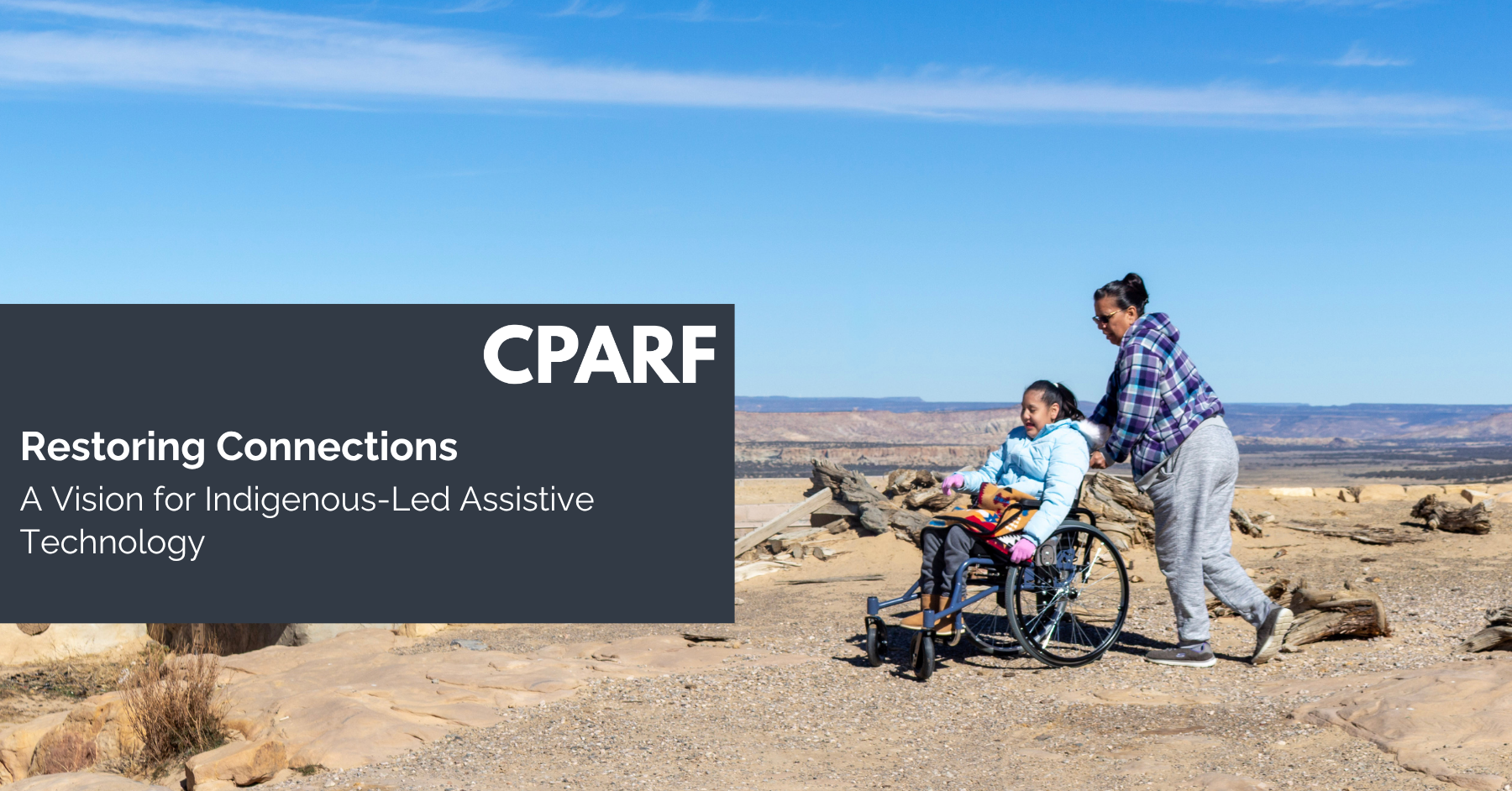
Assistive technology is the promise of what’s possible when disabled people have the tools they need to participate in family life, cultural life, and community life on their own terms.