



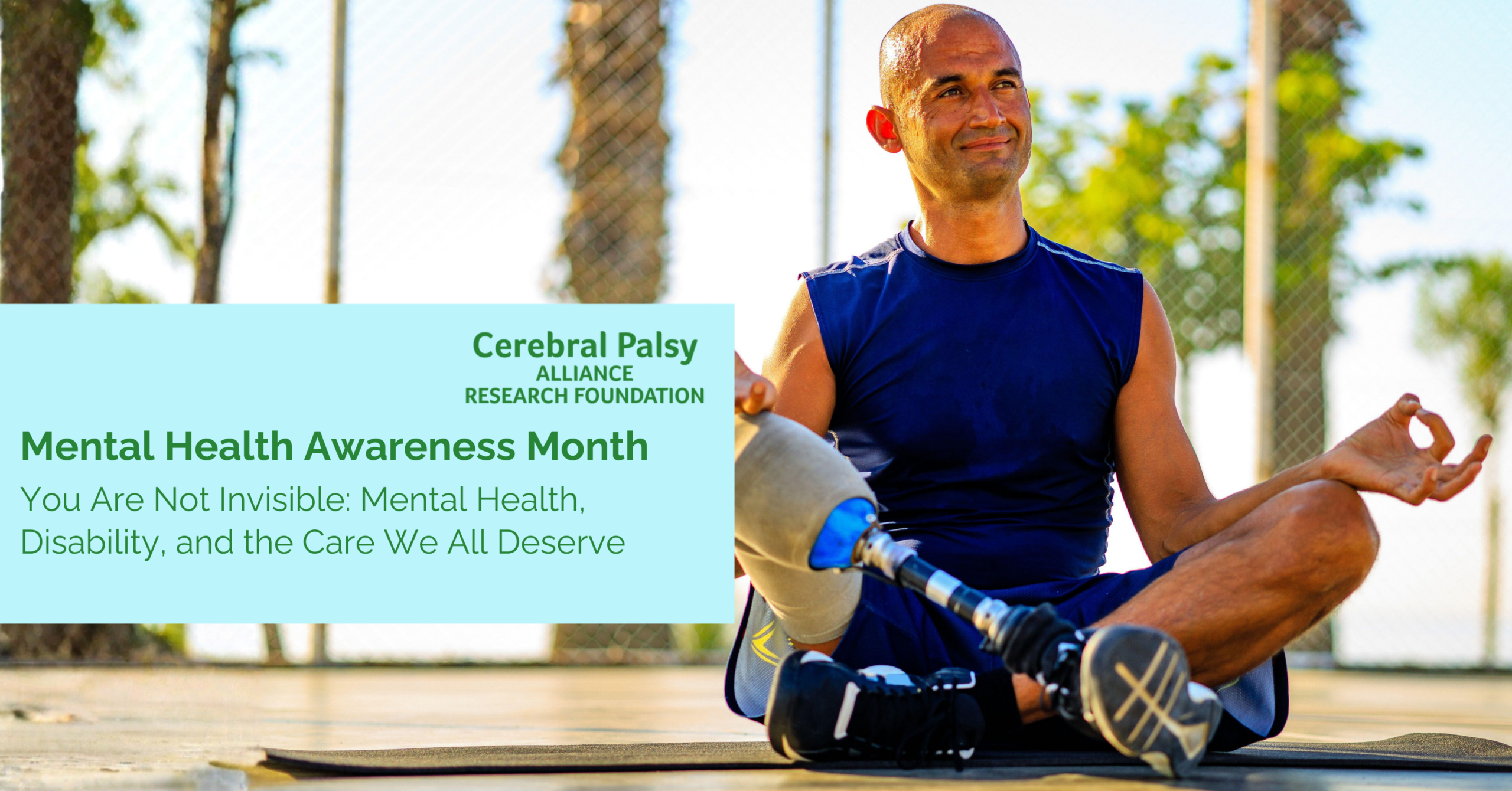
You Are Not Invisible: Mental Health, Disability, and the Care We All Deserve
May is Mental Health Awareness Month — a time to slow down, speak honestly, and remind ourselves that everyone deserves support, to be seen, and to feel whole.
At CPARF, that’s not just a phrase we use; it’s the reason we show up every day. And this year, we want to state clearly: the mental health needs of people with disabilities have always been at the heart of this conversation, not as a side note, not as a special category, but as the main focus.
Where We Are and Where We’re Going
More people are openly discussing mental health, more workplaces are establishing support systems, and more voices from the disability community are being heard and amplified. That’s real, meaningful progress.
But we also want to be honest because honesty is part of how barriers come down. People with disabilities continue to face well-documented obstacles to mental healthcare. Too many telehealth platforms lack screen reader support. Too many therapists haven’t received disability-affirming training. Too many intake forms treat disability as something to fix rather than accommodate. The system, as it stands, was not designed with the disability community in mind.
That’s the reality, and it’s what we’re working to change. Because awareness without accessibility doesn’t complete the job, and accessibility without adaptability is only the start.
The Care Framework Everyone Deserves
Good mental health support should be:
- Accessible — available in various formats and on different platforms for people with diverse needs, without making anyone jump through hoops to access it.
- Adaptable — flexible enough to fit different bodies, communication styles, and life experiences, because one size has never fit all.
- Centered on agency — trusting people with disabilities as the experts of their own lives and building care around their choices, not assumptions about them.
This isn’t asking for something extraordinary. This is the baseline.
Five Ways to Take Care of Yourself This Month
Mental health care doesn’t always look like a therapy session. Sometimes it looks like saying no to something. Taking a nap. Sending a friend a voice memo. Sitting outside for five minutes. It all counts. Here are five things to come back to, especially if things have felt heavy lately.
- Let Yourself Rest…For Real
Rest isn’t laziness, and you don’t need to earn it. For anyone managing chronic conditions, fatigue, pain, or the relentless effort of navigating inaccessible systems, rest is not a luxury — it’s care. Whatever that looks like for you today, give yourself permission.
- Let Someone In
Isolation is one of the most significant factors in poor mental health. You don’t have to share everything, and you don’t have to wait until things feel unbearable. Reach out to someone you trust. Have one honest conversation. Connection does something that nothing else can.
- Your Anger Is Valid…Really
If you’re frustrated by inaccessible systems, by being overlooked, or by having to fight for things others receive without question, that frustration makes complete sense. You don’t have to reframe it as a lesson or force positivity. Acknowledging anger without shame is an act of emotional health. And if you ever want to channel it into advocacy, even in small ways, that energy can become something powerful.
- Move in Whatever Way Feels Good to You
Movement that supports mental health looks different for everyone. It might be stretching, adaptive sports, a slow walk, dancing in your kitchen, or rolling through a favorite space. Five minutes or an hour. The point isn’t what you “should” be doing — it’s what feels good in your body today.
- Define Progress on Your Own Terms
Growth and healing are not straight lines. They pause, shift, and sometimes look nothing like what you expected, and that’s okay. Don’t compare your journey to anyone else’s timeline. If you showed up today, in whatever form that took, that is genuinely enough.
You Are Not Invisible
Maybe mental health support has felt out of reach. Maybe it’s been access barriers, high costs, stigma, not knowing where to start, or simply being too exhausted to try. Whatever the reason, we want you to hear this clearly:
Your mental health matters. Not despite your disability. Not as an afterthought. As a complete, central, and non-negotiable part of who you are.
You deserve tools that actually reach you. That adapt for you. That help you to lead your own life. There is so much meaningful work ahead, and we are excited to keep doing it alongside you.
We see you. We’re with you. And we’re not going anywhere.
Fri 31 Jul 2026
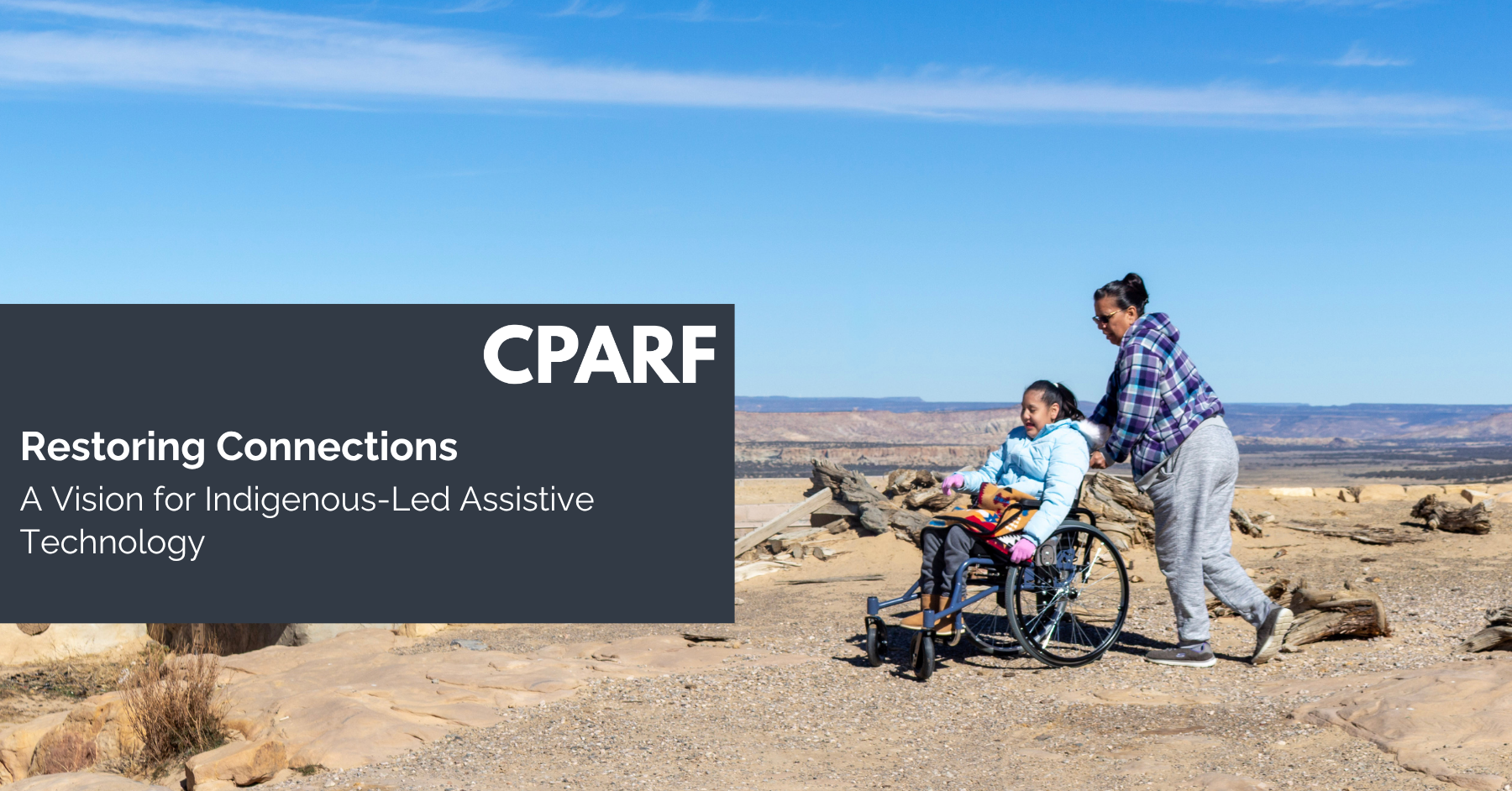
Assistive technology is the promise of what’s possible when disabled people have the tools they need to participate in family life, cultural life, and community life on their own terms.
Thu 21 May 2026
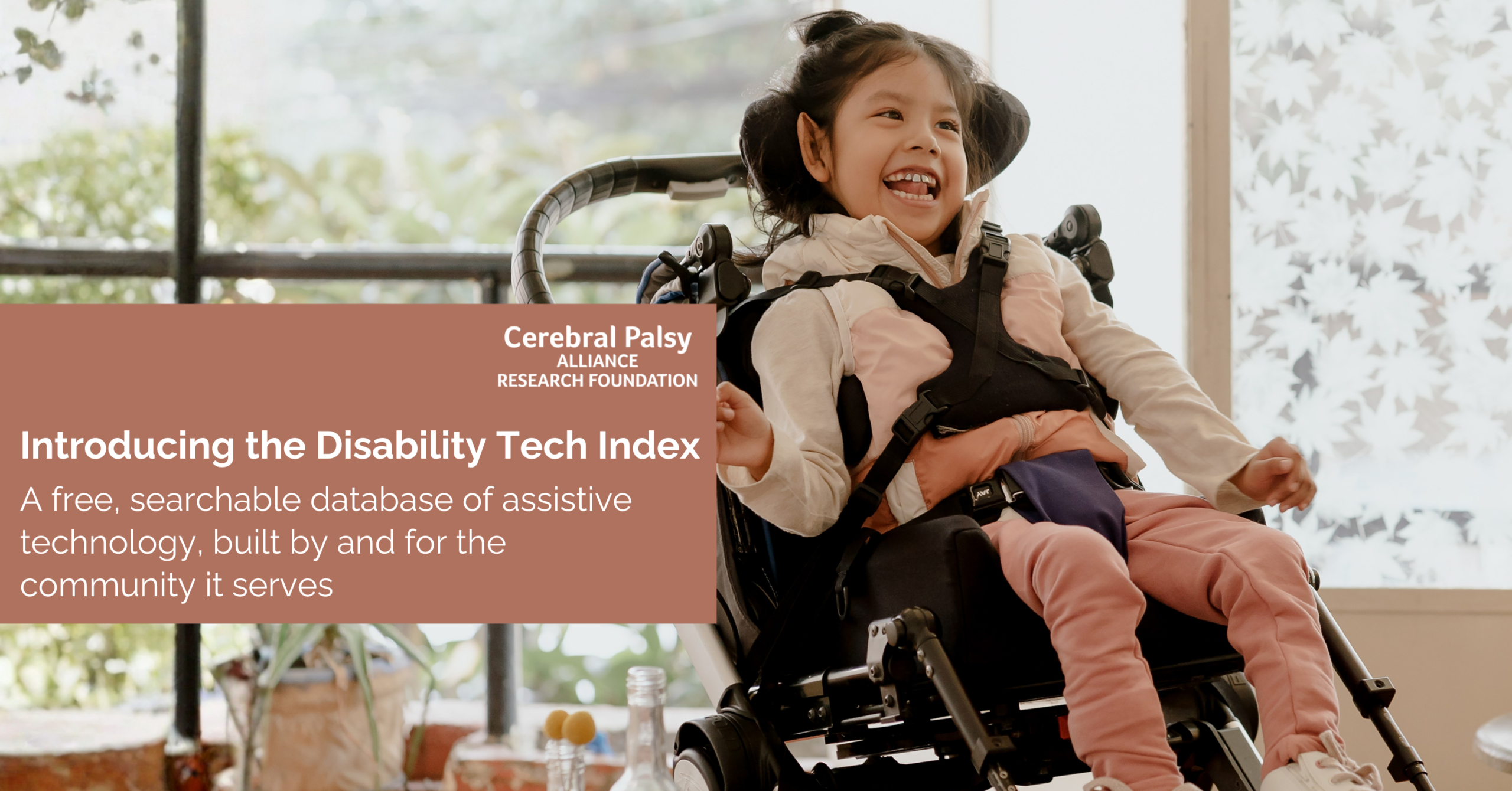
Introducing the Disability Tech Index — a free, searchable database of assistive technology, built by and for the community it serves.