



Question: What outcome measures can be used to analyze activity limitation, participation restrictions and contextual factors in developing countries?
Iona's Answer: There are multiple outcome measures available to measure activity limitation and participation, but only some have been translated into languages other than English and cross-culturally validated.
“The Canadian Occupational Performance Measure (COPM) is a client-centred outcome measure for individuals to identify and prioritize everyday issues that restrict their participation in everyday living. This measure focuses on occupational performance in all areas of life, including self-care, leisure and productivity. This outcome measure is used with persons of all ages…..The COPM is used in more than 40 countries around the world. It is available in 36 languages (COPM 2021).”
The Canadian Occupational Performance Measure is a good choice of measure in most contexts, because: (i) it is a semi-structured interview, so you can use the client’s first language and tailor the conversation to the family’s unique context and understanding; (ii) the client sets the goals for intervention and therefore by virtue the measurement will be meaningful and relevant to the client and their context; and (iii) the tool is low-cost with no training requirements. You can find more information here: https://www.thecopm.ca/
Thu 24 Sep 2026
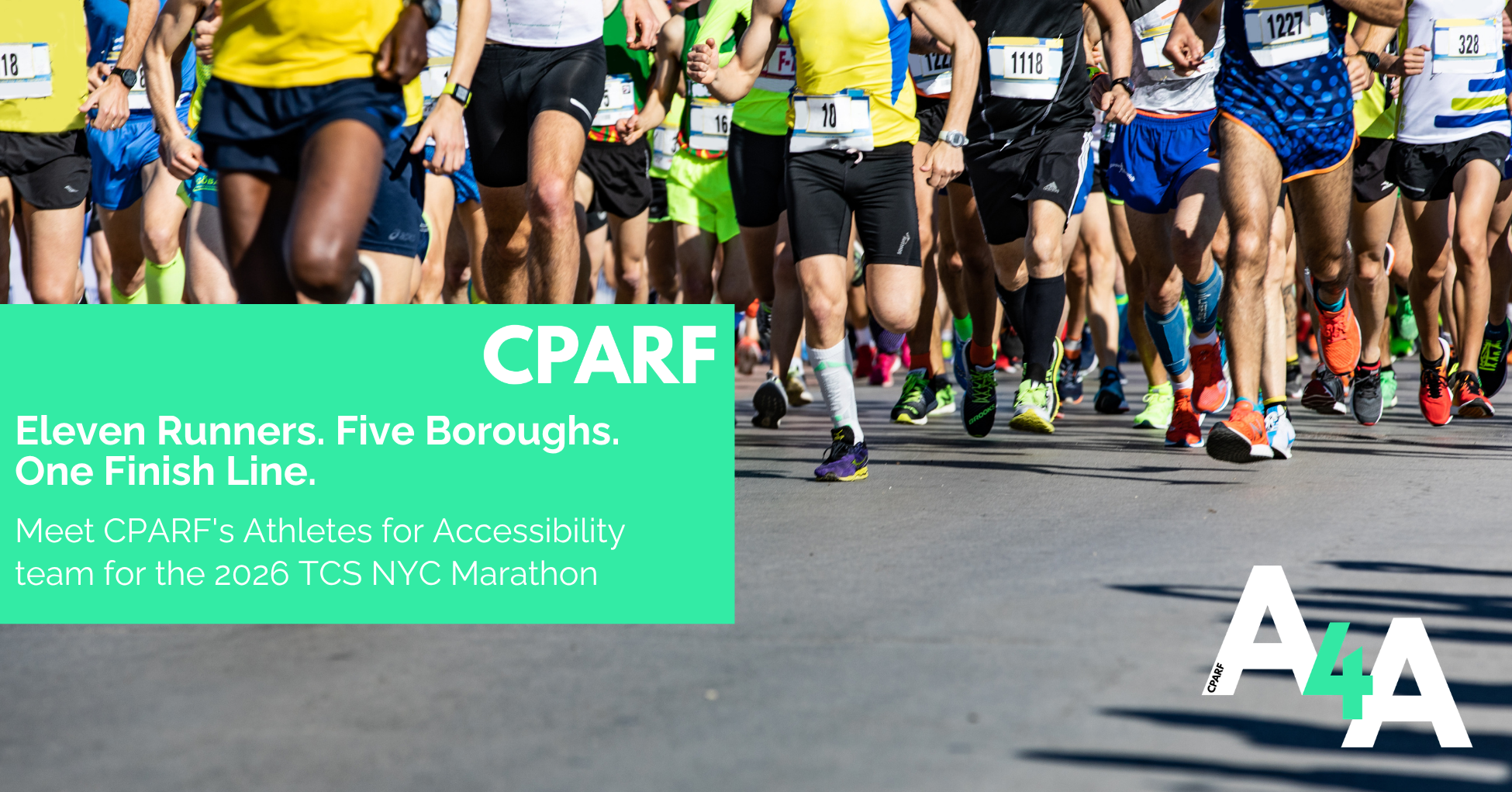
Meet the Athletes for Accessibility team taking on the 2026 TCS NYC Marathon.
Fri 31 Jul 2026
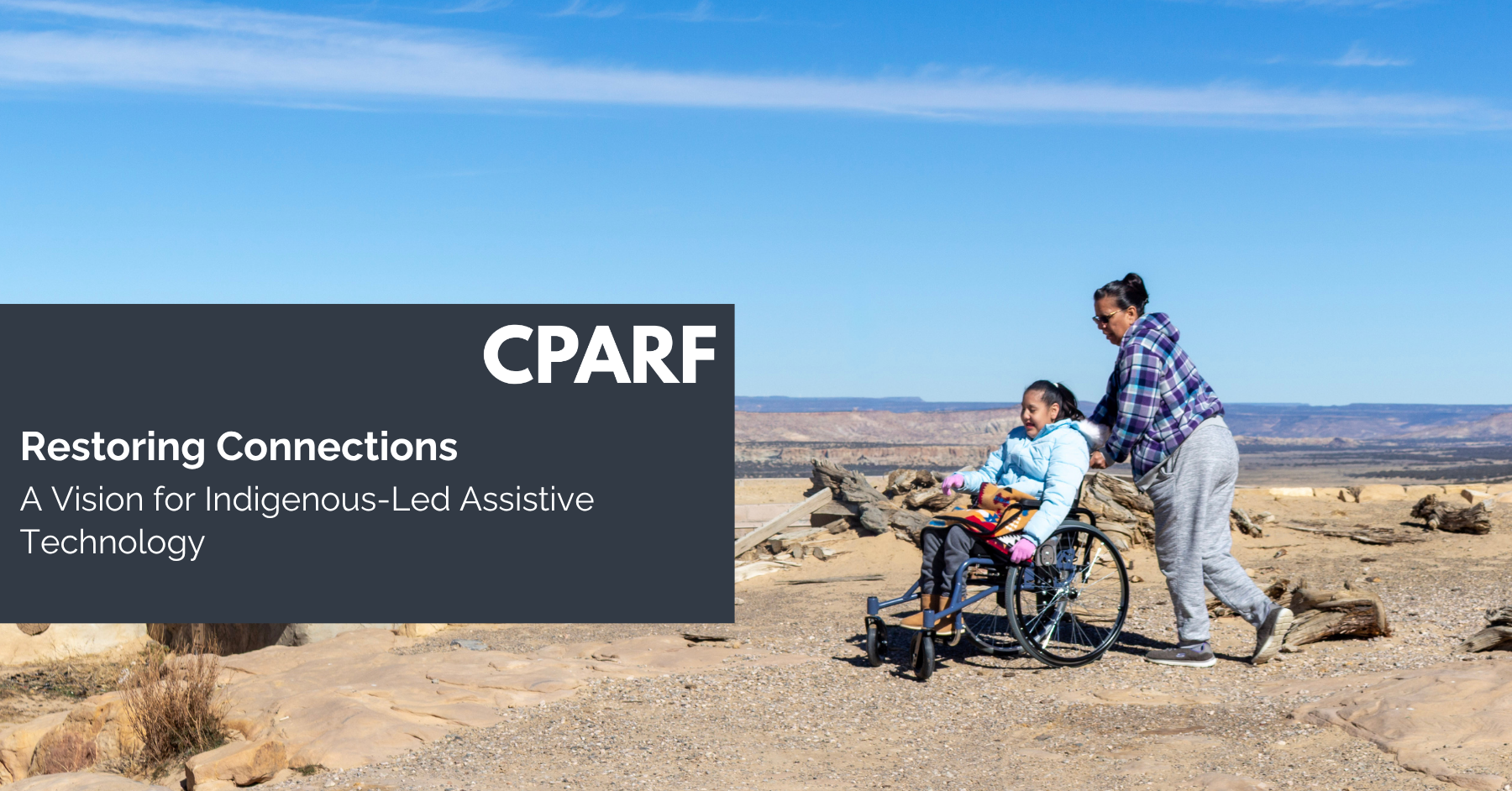
Assistive technology is the promise of what’s possible when disabled people have the tools they need to participate in family life, cultural life, and community life on their own terms.