



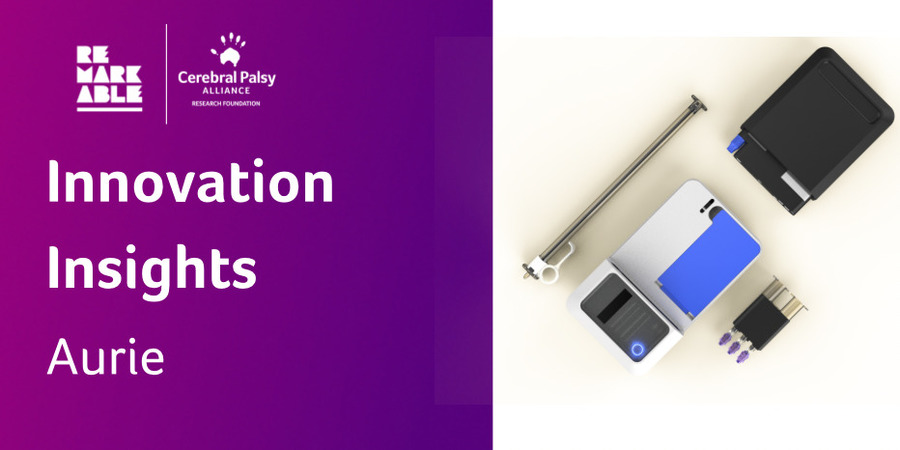
We’re highlighting Aurie this week! During our Disability Tech Talk, Founder and CEO Souvik Paul shared one of the things that moves him the most:
“I think seeing people be like, 'I can immediately see what the positive impact would be. I could see that this would be better for me from a urinary tract infection perspective.' To see people get excited about [our device] has been really awesome.”
Check out more of what he shared in a Q&A with the global Remarkable team earlier this year.
What is your startup and who is the target market?
Aurie is a medical device start-up that is developing a reusable no-touch intermittent catheter system for people living with neurogenic bladder or urinary retention.
Our products help to increase access to safer no-touch catheters and reduce catheter-associated urinary tract infections, which are a leading cause of death for intermittent catheter users today.
How have you engaged end-users in the development of Aurie?
We have interviewed over 120 individual catheter users about how they use products today, and have held human factors studies to get feedback on prototypes from close to 60 catheter users.
We’re continuing to pursue user research as a means to get user feedback on our product and go-to-market strategy.
Can you share some success stories or accomplishments that you’ve achieved since launching?
We haven’t launched yet — the road to getting a medical device FDA approved is a long one.
What sets your startup apart from competitors?
There are approximately 600,000 people in the United States living with neurogenic bladder and urinary retention, who will typically use 4 to 6 single-use intermittent catheters a day in order to urinate. Altogether, the catheter market in the US is approximately $2 billion.
We are the only company in the catheter market that is focused on developing safely reusable no-touch catheters. Our system allows us to provide safer, infection-reducing no-touch catheters at the current price of single-use standard catheters. This means more people can access this potentially life-saving technology.
Where do you want your startup to be in one month, one year, and 10 years?
One month: We plan to build prototypes for FDA testing and to start building relationships with VA hospitals where we will pilot the system with users.
One year: We will have received our FDA approval and will start product sales.
10 years: We will have a broad portfolio of durable medical equipment products that are designed in partnership with (not for) our users that help to meet unmet user needs and advance our users' health and independence. To get there, we need funding!
What advice would you give to aspiring disability tech entrepreneurs?
Some investors will tell you that your market is too small to matter. Don’t listen to them! The work that you’re doing is important.
What does it mean to you to be part of the Remarkable community?
It’s incredibly inspiring to be a part of a community where everyone is giving it their all to make a profound difference in the lives of their users – and where everyone is open about the struggles and successes that they face along the way!
Want to learn more about Aurie? Check out our Disability Tech Talk and Changing What’s Possible episode with Souvik Paul. You can also follow Aurie on LinkedIn.
Thu 21 May 2026
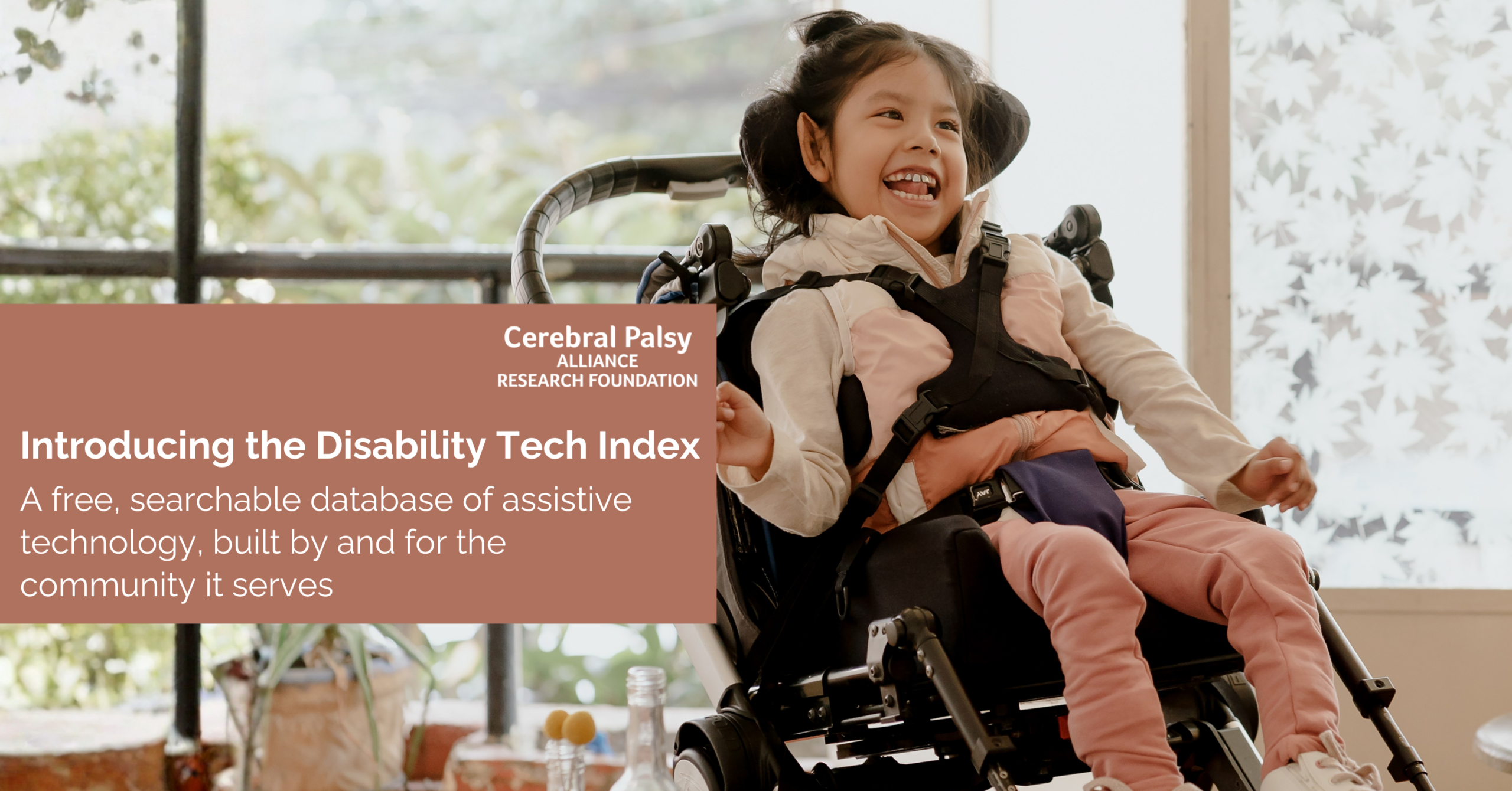
Introducing the Disability Tech Index — a free, searchable database of assistive technology, built by and for the community it serves.
Tue 19 May 2026
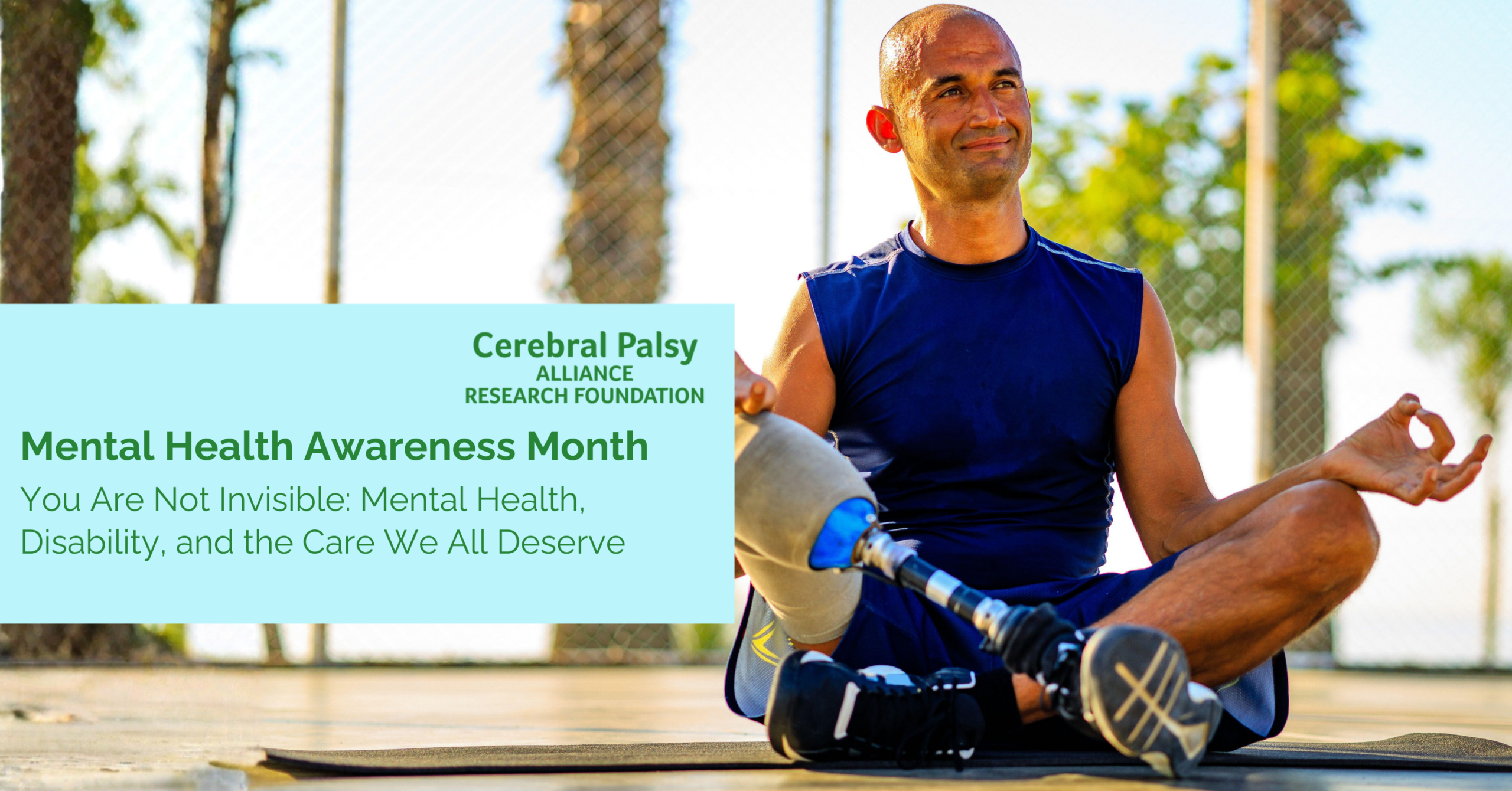
May is Mental Health Awareness Month — a time to slow down, speak honestly, and remind ourselves that everyone deserves support, to be seen, and to feel whole.