



Science Spotlight: Improving Therapies by Recognizing the Untapped Potential for Neural Plasticity in Adults With CP
By Sara Lewis
Neural plasticity is the ability to remodel or change the strength and responsiveness of desired connections in the brain. For a long time, the assumption has been that adults might not receive the same benefits from approaches that utilized neural plasticity. This is because of research on critical periods, or times during development when neuron circuits are most able to adapt, learn new skills, or recover from an injury. For instance, younger adults often have better recovery from a stroke because of an increased ability to regrow new connections.
Another assumption has been that neuroplasticity is largely restricted to the brain. However, research into spinal cord injuries has illustrated that neuroplasticity is possible in the spinal cord, particularly if enhanced by electrical stimulation.
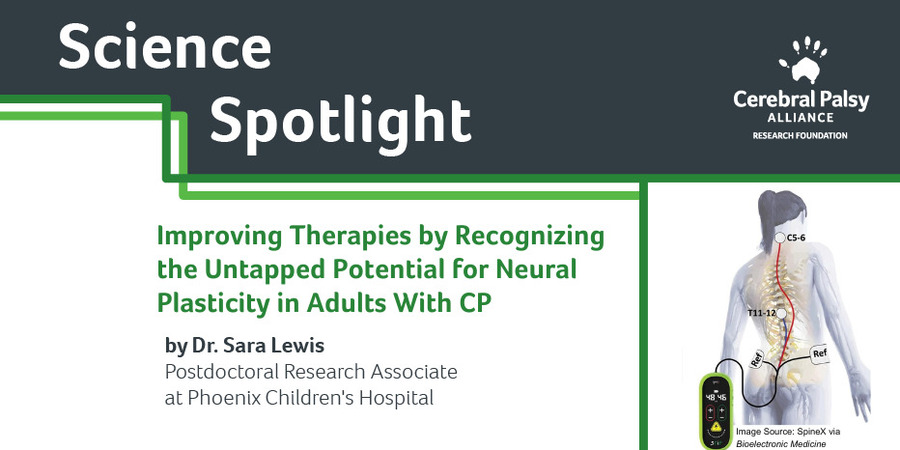
Adults with CP often struggle to find treatments or therapies that work for them, and they encounter additional challenges that arise with aging. But there is hope on the horizon. SpineX is investigating neuromodulation paired with physical therapy to improve neural plasticity and voluntary movement control in children with CP. Recently, SpineX also announced the study of a 60-year-old woman with CP who underwent eight weeks of physical therapy paired with spinal cord electrical stimulation (SpineX’s SCiP™ therapy).
This approach appears to be highly beneficial, with improvements observed and experienced in several types of movements and in activities of daily living. These improvements were still present 20 weeks after therapy, indicating long-term positive change. The study participant also reported increased energy levels and better sleep quality as a result of her improved motor control.
This type of approach provides much needed therapies for adults with CP. It also pushes us to let go of potentially limiting assumptions around positive neurological change and age — and to reimagine what’s feasible, both for adults with CP and for spinal circuitry.
 About the Author: Dr. Sara Lewis is a Postdoctoral Research Associate at Phoenix Children’s Hospital working with Dr. Michael Kruer to identify genetic causes of cerebral palsy. She received her PhD in Neuroscience in 2015 with an emphasis in genetic neurodevelopmental disorders. Her work integrates human genetics with the fly model to study how genes leading to movement disorders changes in the brain. Her work also addresses the challenges implementing genetics findings in the clinical environment. Her research is funded by CPARF.
Resources:
https://bioelecmed.biomedcentral.com/articles/10.1186/s42234-023-00133-2
Thu 24 Sep 2026

Meet the Athletes for Accessibility team taking on the 2026 TCS NYC Marathon.
Fri 31 Jul 2026
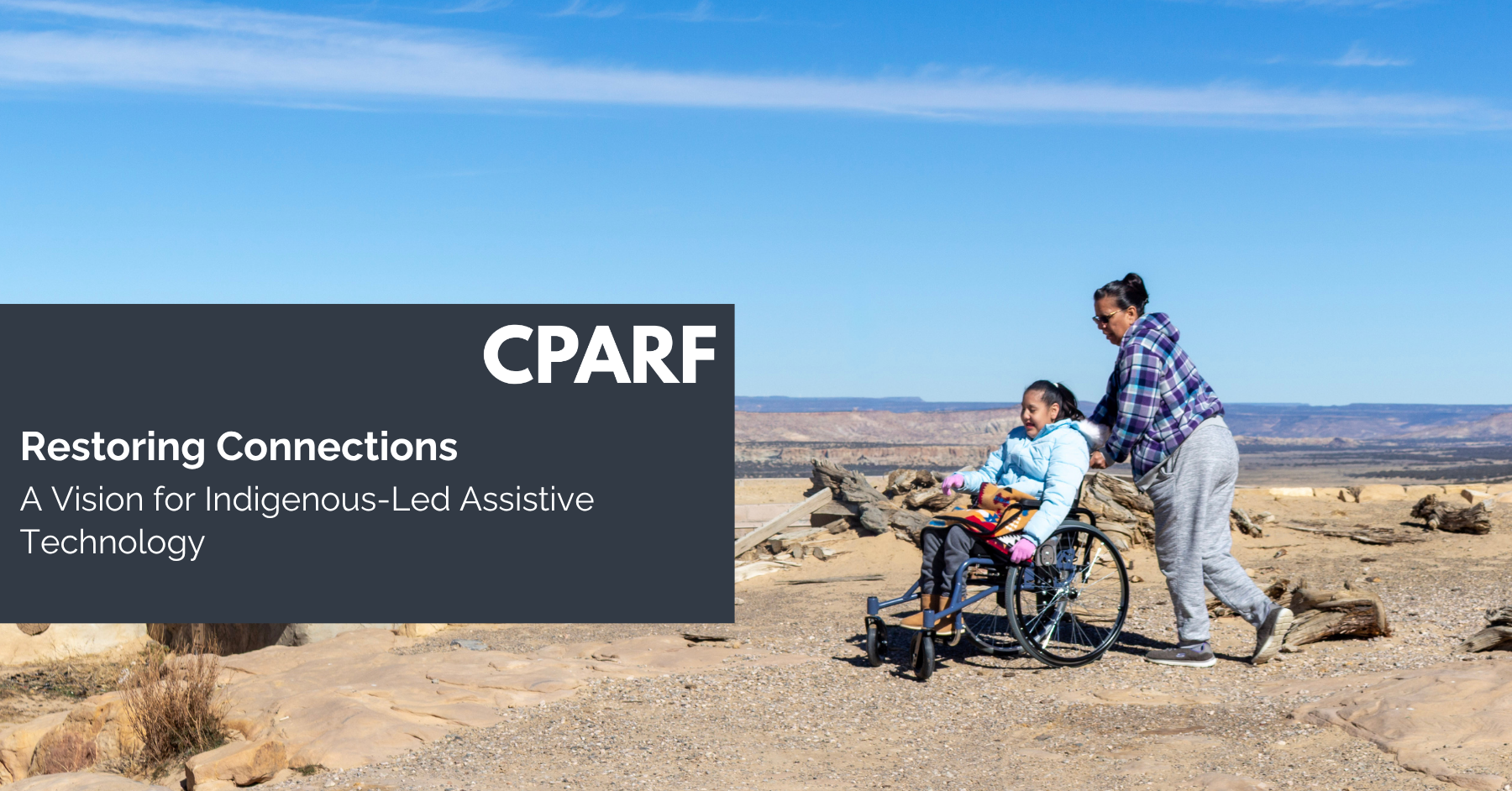
Assistive technology is the promise of what’s possible when disabled people have the tools they need to participate in family life, cultural life, and community life on their own terms.