


Question: What would be your intervention for a family who only focuses on functional goals for their child that might not be met?
Iona's Answer: There are a number of important steps to take in this scenario:
(i) validating this family’s hopes and dreams for their child, as these are natural parental aspirations. Having a child with cerebral palsy is stressful.
(ii) asking the family compassionately if they can identify what skill they think their child might learn next, and frame their answer as the next short-term goal that could be worked on.
(iii) asking the family what they understand so far about their child’s prognosis.
(iv) providing evidence-based, prognostic information in a compassionate way, framed around the importance of working together to protect and foster your child’s personhood and identity.
Ask questions such as: What are your child’s interests that we can foster? How can we ensure your child is fully included? How do we strike a balance between wanting to help and your child feeling accepting for who they are?
—
For more, check out our YouTube Channel for our full conversation with Professor Novak.
Thu 24 Sep 2026
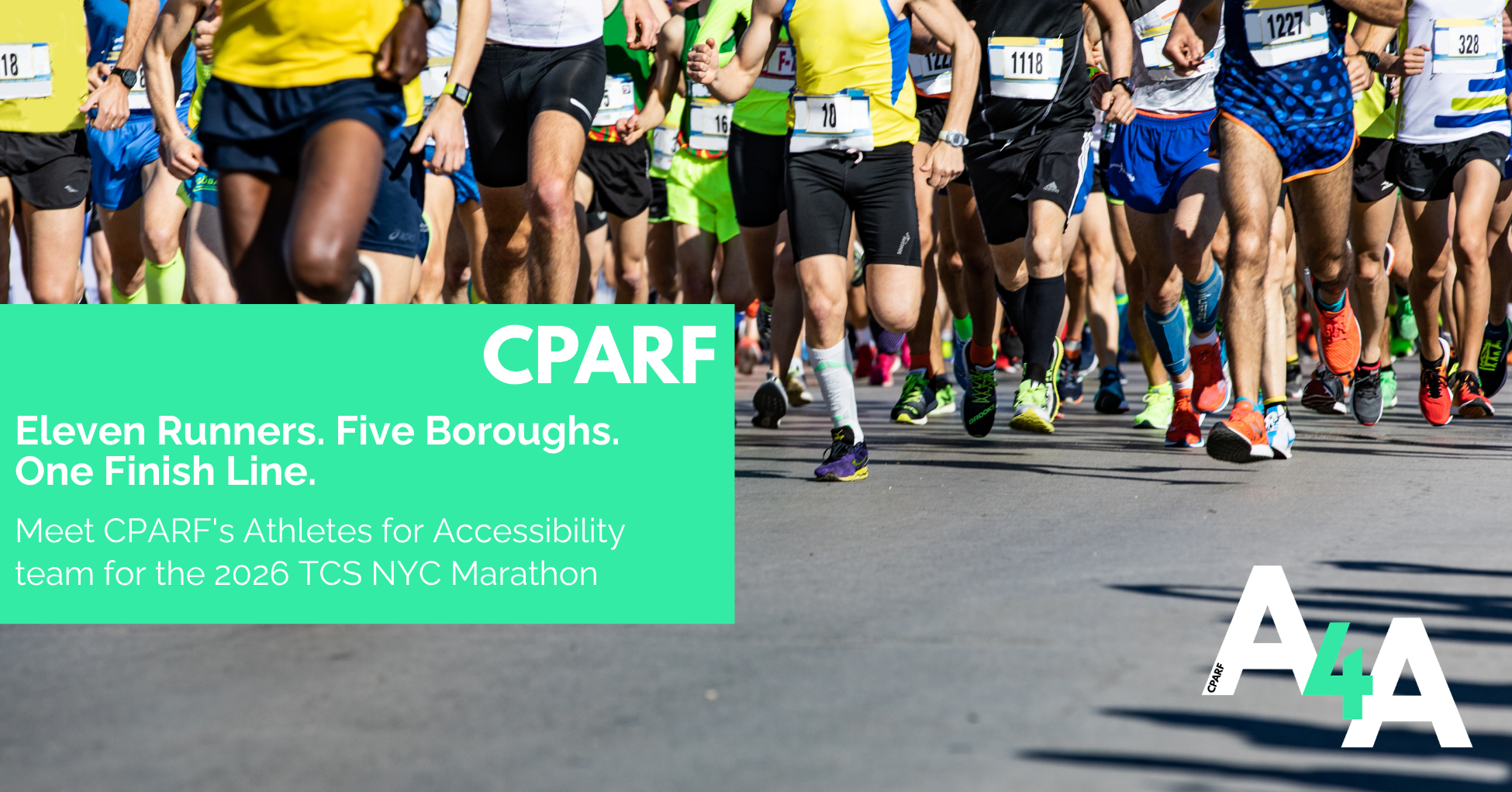
Meet the Athletes for Accessibility team taking on the 2026 TCS NYC Marathon.
Fri 31 Jul 2026
Assistive technology is the promise of what’s possible when disabled people have the tools they need to participate in family life, cultural life, and community life on their own terms.